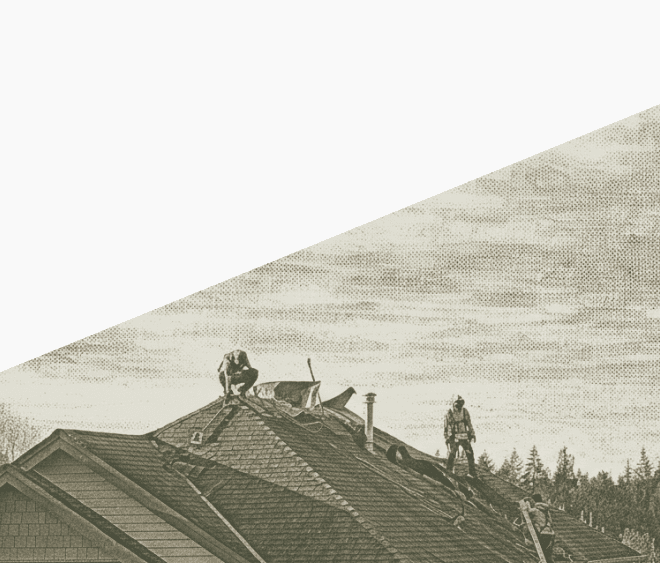
Dry-In
Dry-in is the roofing construction step between tear-off and final installation in which the exposed deck is protected with underlayment (synthetic felt or ice and water shield) to prevent water intrusion. Dry-in is a separate billable step with its own Xactimate line items.
The Step That Protects the Deck
Dry-in is the roofing construction step between tear-off and final installation in which the exposed deck is protected with underlayment to create a waterproof barrier, and it is a separate billable step with its own Xactimate line items. Once the old shingles are removed, the bare deck is vulnerable. Dry-in consists of applying underlayment - synthetic felt, ice and water shield, or both - until the new roofing material goes on. Skipping dry-in or performing it inadequately results in water damage to the structure.
In a perfect world, tear-off, dry-in, and shingle installation happen the same day. In the real world, weather, crew availability, and material delays can create a gap. That gap is where dry-in earns its name.
Dry-In as an Emergency Measure
After storm damage, dry-in often happens as a standalone emergency service before the full re-roof is even scoped. If the existing roof is compromised and rain is forecast, the priority is protecting the structure from further water intrusion. A crew goes up, strips the damaged area, applies underlayment, and gets off the roof. The full replacement comes later.
This emergency dry-in is billable as a separate service. It falls under the "reasonable and necessary" standard for emergency mitigation - the carrier pays for it because preventing further damage is cheaper than paying for the water damage that would result from waiting.
Xactimate Line Items for Dry-In
Dry-in has its own line items in Xactimate, separate from tear-off and separate from final installation. Common dry-in line items include:
| Line Item | Description |
|---|---|
| Synthetic underlayment | Applied over exposed deck |
| Ice and water shield | Self-adhering membrane at eaves, valleys, penetrations |
| Temporary tarp | Emergency protection before full dry-in |
| Labor for dry-in only | When dry-in happens as a standalone step |
Make sure dry-in is scoped as its own step, not bundled into the tear-off or shingle installation line items. Bundling it gives the carrier an excuse to argue the work is already included and deny the separate charge.
Production Scheduling Around Dry-In
Weather dictates the dry-in timeline, not the project schedule. If your crew tears off a roof at 7 AM, the dry-in must be complete before any precipitation hits. Check the forecast before every tear-off. If rain is possible within the work window, either delay the tear-off or ensure you have enough crew to complete the dry-in in a compressed timeframe.
Experienced production managers watch weather hourly on tear-off days. A crew that tears off 30 squares and gets caught by an unexpected afternoon storm without completing dry-in is looking at interior water damage, a mold risk, and a very unhappy homeowner. The material order should include enough underlayment for full dry-in before the tear-off crew shows up.
Frequently asked questions
In storm-prone areas, dry-in sometimes happens as an emergency measure before the full re-roof is scheduled. If rain is forecast and you tear off a roof, the dry-in has to happen that day regardless of the rest of the schedule.
Yes. Dry-in is a separate billable step with its own Xactimate line items, separate from the tear-off and the final roofing installation. It covers underlayment application (synthetic felt or ice and water shield) to protect the exposed deck.
 No credit card required