Storm Damage
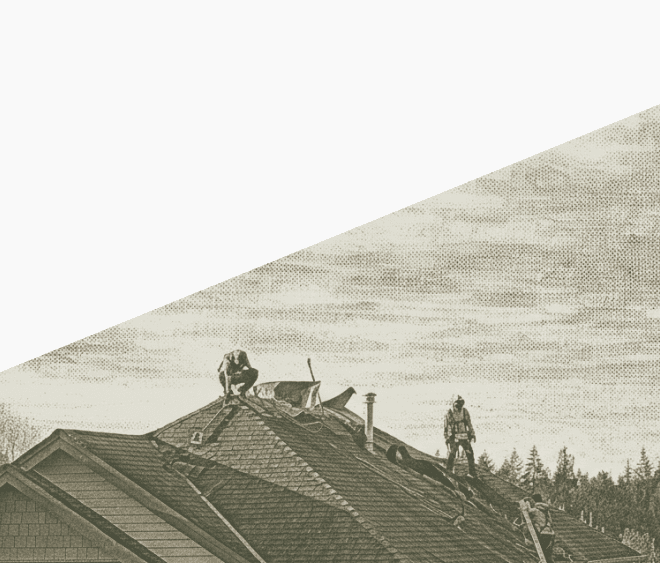
Storm damage is a general category covering any property damage caused by severe weather - wind, hail, rain, tornado, or a combination. Storm damage claims typically involve multiple damage types on a single property and multiple trades, making them the strongest case for overhead and profit.
Multiple Damage Types, One Storm Event
Storm damage is property damage caused by severe weather - wind, hail, rain, tornado, or a combination - and storm claims are the highest-supplement-potential claims in residential restoration because a single event typically damages multiple components simultaneously. The roof, siding, gutters, fencing, windows, and landscaping are all hit in the same 20-minute hailstorm. Each damaged component adds complexity to the estimate and opportunity to the supplement.
Why Multi-Trade Storm Claims Are the Most Profitable
A storm that touches three or more trades automatically triggers the three-trade rule for O&P. That 20% markup can be the difference between a breakeven job and a profitable one.
| Damage Type | Trade | Xactimate Category |
|---|---|---|
| Roof shingles | Roofing | RFG |
| Siding panels | Exteriors | EXT / SDG |
| Gutters | Sheet metal | EXT |
| Interior water damage | Drywall / painting | INT / PNT |
| Fence | Fencing | FNC |
| Window screens/glass | Glazing | EXT |
Document every trade on the job. The more trades you can identify and assign to separate trade groups, the stronger your O&P argument becomes.
Documenting Storm Damage for Maximum Recovery
The carrier's adjuster may only inspect one or two components during the initial visit. Roof-focused adjusters miss siding damage. Exterior-focused adjusters miss interior water damage from wind-driven rain. Your job is to inspect the entire property, document everything the storm touched, and build a complete scope of work.
Capture the weather event data - NOAA storm reports, local weather station data, hail size reports. This data establishes the cause and date of loss, which is critical if the carrier tries to argue the damage is pre-existing or unrelated to the claimed storm event.
Storm Damage and the Supplement Opportunity
Storm damage claims have the highest supplement potential because the initial scope of loss almost always underestimates multi-trade damage. The adjuster may scope the roof correctly but miss the siding, exclude the gutters, or overlook code-required upgrades. Each missed component is a supplement line item.
Walk the entire property. Inspect every elevation of siding. Check every gutter run. Open the attic and look for water intrusion. Check the fence, the detached garage, and the HVAC condensers. A thorough storm damage inspection turns a $15,000 roof claim into a $25,000 full-property restoration.
Further reading
Frequently asked questions
Multi-type storm damage claims are more complex because each damage type may require different trades, different Xactimate categories, and different documentation. A single storm can affect the roof, siding, and gutters simultaneously.
A storm that causes roof damage (roofing trade), siding damage (exteriors trade), and gutter damage (sheet metal trade) automatically triggers the three-trade rule for O&P. Multi-type storm damage is the strongest case for including overhead and profit.
 No credit card required