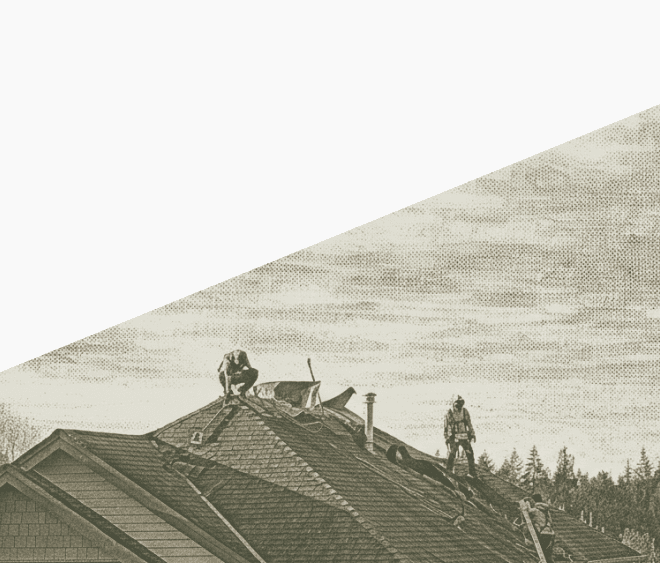
Hail Damage Roof Replacement: When It Is Necessary and What to Expect
When hail damage requires full roof replacement, what the process involves, and how to ensure insurance covers the complete scope of work.
How to identify
- Widespread hail damage across multiple roof planes
- Significant granule loss exposing the fiberglass mat on a large number of shingles
- Fractured or cracked shingles in a pervasive random pattern
- Multiple damaged components including vents, flashing, ridge cap, and pipe boots
- Pre-existing wear combined with hail damage that compromises the roof system as a whole
Documentation steps
- 1
Perform a full roof inspection documenting damage on every plane
- 2
Create a test square on each slope to count hail hits per 100 square feet
- 3
Photograph damage to all ancillary components across the entire roof
- 4
Measure the full roof area including all slopes, valleys, hips, and ridges
- 5
Document the existing roofing system layers and materials for the replacement scope
- 6
Record any code-required upgrades that will be needed during replacement
Repair process
Remove all existing roofing material down to the roof deck on every affected plane
Inspect and replace any damaged or deteriorated decking boards
Install ice and water shield in valleys, at eaves, and around penetrations per local code
Install new synthetic underlayment across all roof planes
Install new drip edge, flashing, step flashing, and counter flashing
Install new shingles, ridge cap, starter strip, and all ventilation components
Replace all penetration boots, pipe collars, and roof-mounted accessories
Insurance tips
Ensure the scope includes tear-off and disposal of all existing roofing layers
Verify that code upgrades required by current building code are included in the estimate
Confirm that all ancillary components are individually line-itemed, not bundled into the shingle replacement
If the adjuster only approves partial replacement, document why the entire roof must be replaced and supplement
Understand the difference between actual cash value and replacement cost value payments on your policy
Request depreciation recovery instructions from your carrier so you can collect the holdback after work is complete
When Replacement Is Necessary
Full roof replacement becomes necessary when hail damage is too widespread or severe for targeted repairs to restore the roof to its pre-storm condition. The standard assessment method involves creating test squares on each roof plane and counting the number of hail impacts per 100 square feet. When the concentration of hits is high enough that a significant percentage of shingles are compromised, the roof cannot be selectively repaired and must be fully replaced.
Other factors that push the scope toward replacement include the age of the existing roof, the availability of matching materials, and code requirements that prevent partial re-roofing. If the existing shingles are near the end of their service life and hail accelerates that timeline, the damage effectively ends the roof's functional lifespan.
What a Full Replacement Involves
A hail damage roof replacement starts with tearing off all existing roofing material down to the deck. This includes shingles, underlayment, flashing, ridge cap, starter strip, and all penetration components. The exposed deck is inspected for moisture damage, rot, or structural issues. Any compromised decking is replaced before new material goes on.
The new roof system is installed from the deck up: underlayment, ice and water shield where code requires it, drip edge, new flashing at all transitions and penetrations, starter strip, field shingles, hip and ridge cap, and ventilation components. Every element is a separate line item in a properly scoped Xactimate estimate.
Code Upgrades and Their Role in the Claim
Building codes evolve over time, and a roof being replaced today must meet current code regardless of what was originally installed. Common code-required upgrades include ice and water shield at eaves and valleys, specific underlayment types, enhanced nail patterns in high-wind zones, and updated ventilation requirements. These upgrades add cost to the project and are typically covered under the code upgrade provision in most homeowner policies.
Contractors should identify all code upgrades before the work begins and ensure they are included in the Xactimate estimate. Missing code upgrades is one of the most common sources of underpayment on replacement claims.
Understanding Your Insurance Payment
On a replacement cost value policy, the carrier typically issues two payments. The first is the actual cash value, which is the replacement cost minus depreciation. The second payment, the recoverable depreciation, is released after the work is completed and the contractor or homeowner submits proof of completion. Understanding this two-payment structure is important because the initial check will be less than the full cost of the job. Contractors and homeowners should plan accordingly and work with the carrier to ensure the depreciation recovery process goes smoothly.
Frequently asked questions
Full replacement is warranted when hail damage is widespread across multiple roof planes, granule loss is severe enough to expose the fiberglass mat on a significant number of shingles, and repairs would not restore the roof to its pre-storm condition. If test squares show a high concentration of hits per 100 square feet across the roof, most adjusters and contractors agree that replacement is necessary.
If the damage is severe enough and well-documented, insurance will pay for a full replacement minus your deductible. The adjuster writes a scope based on the inspection. If that scope undervalues the work, you or your contractor can file a supplement with additional evidence. Replacement cost value policies pay the full cost of new materials, while actual cash value policies deduct depreciation.
Most residential roof replacements take one to three days depending on the size of the roof, the complexity of the layout, weather conditions, and crew size. The insurance claim process, from initial filing through approval and scheduling, typically takes several weeks to several months depending on the carrier and the volume of claims in your area after a major storm.
Convert your damage estimate to ESX
Upload a PDF estimate. CapOut processes it and sends it directly to your Xactimate account.
Get started free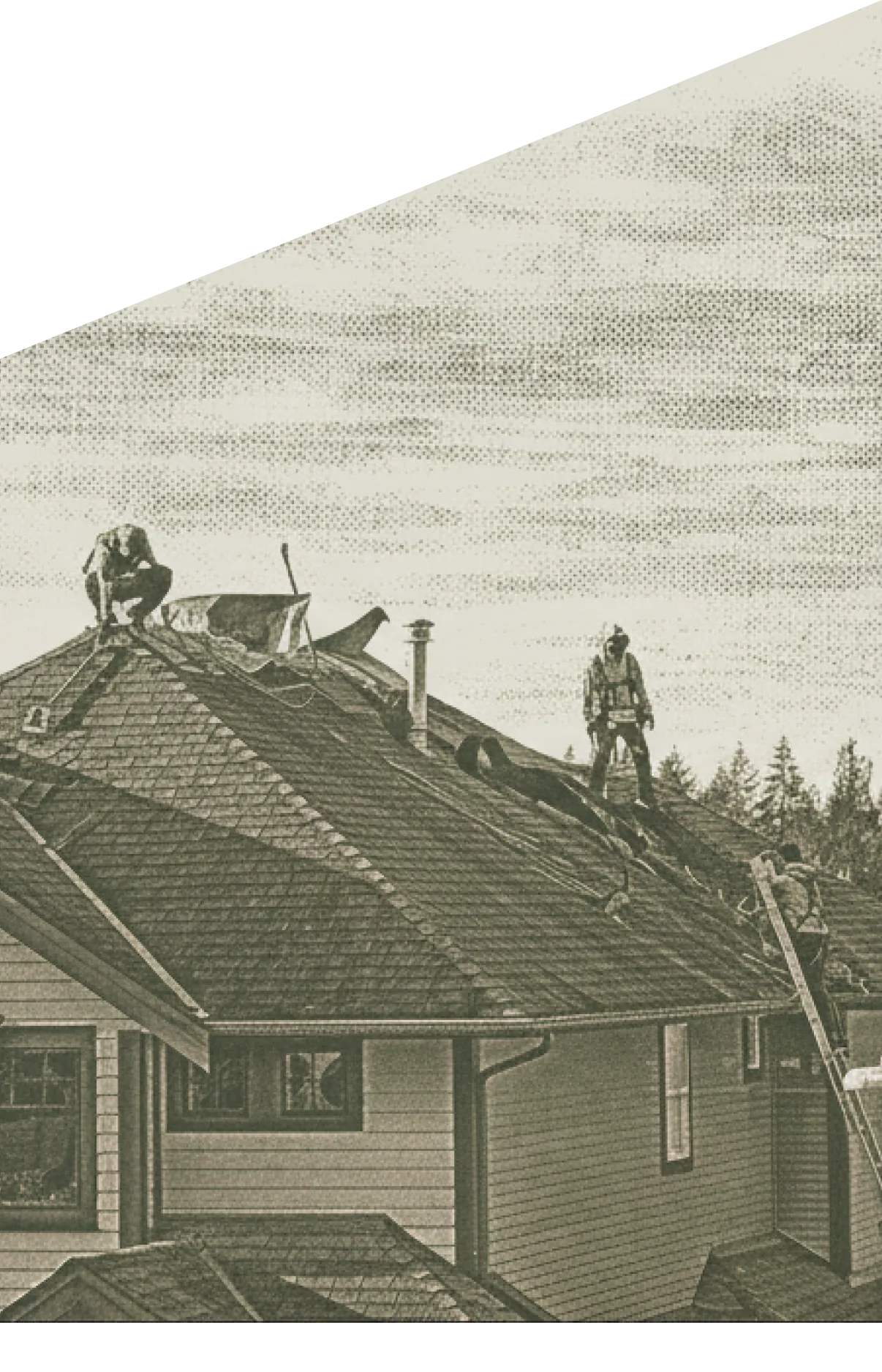
 No credit card required