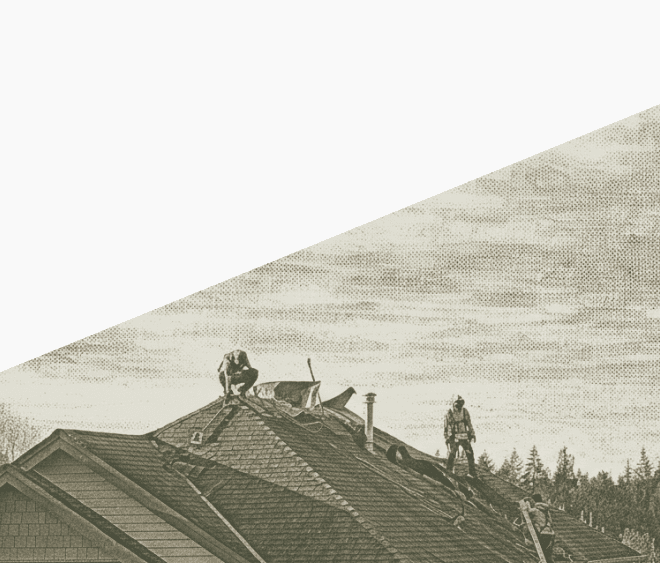
Wind Damage to Ridge Caps: Identification, Repair, and Claim Tips
How to identify and document wind damage to ridge cap shingles, the repair process, and how to ensure ridge cap damage is properly included in insurance claims.
How to identify
- Ridge cap shingles lifted, curled, or displaced from the roof ridge
- Missing ridge cap shingles exposing the ridge vent or bare ridge board beneath
- Cracked or broken ridge cap shingles from wind flexing and bending
- Exposed nails along the ridge where ridge cap shingles have been removed by wind
Documentation steps
- 1
Photograph the full ridge line showing the extent of missing or displaced ridge caps
- 2
Take close-up shots of each damaged or missing ridge cap location
- 3
Document any exposed ridge vent, ridge board, or underlayment beneath missing caps
- 4
Record the ridge cap product type and color for replacement matching
- 5
Photograph any ridge cap debris found on the ground or in gutters
Repair process
Remove all damaged, cracked, or unsealed ridge cap shingles from the ridge
Inspect the ridge vent and ridge board beneath for moisture damage from exposure
Install new ridge cap shingles overlapping in the correct direction away from the prevailing wind
Nail ridge caps per manufacturer specifications with nails long enough to penetrate the deck through all layers
Apply sealant to nail heads and ridge cap edges for added wind resistance
Insurance tips
Ridge caps are among the most vulnerable roofing components in wind events and should always be inspected
Missing ridge caps expose the ridge vent and attic space to water intrusion, making this a functional concern
Ensure the estimate includes the specific ridge cap product rather than generic field shingles cut to size
If ridge cap damage is present, inspect field shingles along the ridge for additional wind damage
Ridge cap replacement labor is a separate line item from field shingle replacement in Xactimate
Why Ridge Caps Are Vulnerable to Wind
Ridge cap shingles are installed along the peak of the roof where two sloped planes meet. This location experiences the highest wind speeds and uplift pressures on the entire roof structure. Wind accelerates as it flows over the ridge, creating a zone of intense negative pressure that pulls ridge caps upward. Because ridge caps are oriented across the ridge rather than flat against a single plane, they present more surface area for wind to engage than field shingles do.
The installation method also contributes to vulnerability. Each ridge cap is typically secured with two nails and depends on the adhesive seal of the overlapping cap above it for additional hold. When the seal strip fails on the last (exposed) ridge cap, wind peels it back, which then exposes the nails and seal strip of the next cap in line. This cascading effect means that once the first ridge cap lifts, the rest along the ridge can follow in rapid succession.
Identifying Ridge Cap Wind Damage
Missing ridge caps are the most obvious sign of wind damage at the ridge. Where caps have blown off, the ridge vent material, ridge board, or bare nail heads are visible. Caps that remain in place but have lifted or cracked should also be documented. Cracking occurs when wind bends the ridge cap repeatedly, fatiguing the shingle material at the fold line. Lifted caps with broken seals will not reseal and will continue to lift in subsequent wind events.
During inspection, walk the full length of every ridge and hip line on the roof. Ridge cap damage may be limited to one section facing the prevailing wind direction or may extend across the entire ridge depending on storm characteristics. Check gutters and the ground around the building perimeter for ridge cap debris, which confirms the damage source and storm date.
Repair Process for Ridge Caps
Ridge cap repair involves removing all damaged or unsealed caps and installing new ones. The new caps should be the same product type as the original installation, whether that is manufacturer-specific hip and ridge product or field shingles cut to size. Proper installation requires nails of sufficient length to penetrate through the ridge cap, any underlying ridge vent material, and into the roof deck. Caps are overlapped in a direction away from the prevailing wind to reduce the chance of future wind engagement.
If a ridge vent was exposed by missing caps, inspect it for moisture damage and replace any sections that are saturated, torn, or deformed. Ridge vents that have absorbed water will not perform properly and can introduce moisture into the attic space even after new caps are installed.
Including Ridge Caps in the Insurance Scope
Ridge cap damage should be itemized separately from field shingle damage in the Xactimate estimate. Ridge cap material, labor for ridge installation, and any ridge vent repair or replacement are distinct line items. If the adjuster's initial scope omits ridge cap damage or bundles it into the general shingle scope, file a supplement with photos and measurements of the ridge specifically. Given that ridge caps are the most wind-vulnerable component, their absence from a wind damage estimate is a significant oversight that should be corrected.
Frequently asked questions
Ridge caps sit at the highest point of the roof where wind speed and uplift pressure are greatest. They are installed over the ridge, which is the peak where two roof planes meet, creating a natural wind acceleration zone. Unlike field shingles that lie flat against the roof plane, ridge caps straddle the ridge at an angle, giving wind more surface area to catch. Their position and geometry make them the first roofing component to fail in high-wind events.
If only a few ridge caps are missing and the remaining caps are intact with good seal integrity, replacing the individual missing pieces is appropriate. However, if multiple ridge caps along the same ridge are damaged, cracked, or have broken seals, replacing the entire ridge line is typically more effective and ensures consistent performance. The adjuster should inspect the full ridge, not just the obviously missing sections.
Yes. Ridge caps cover the gap where two roof planes meet at the peak. When ridge caps are missing, the ridge vent, ridge board, and the top edges of the field shingles are exposed to direct rain and wind-driven water. This can lead to water intrusion into the attic space, damaging insulation, framing, and ceilings below. Missing ridge caps should be addressed as an emergency repair to prevent interior water damage.
Convert your damage estimate to ESX
Upload a PDF estimate. CapOut processes it and sends it directly to your Xactimate account.
Get started free
 No credit card required