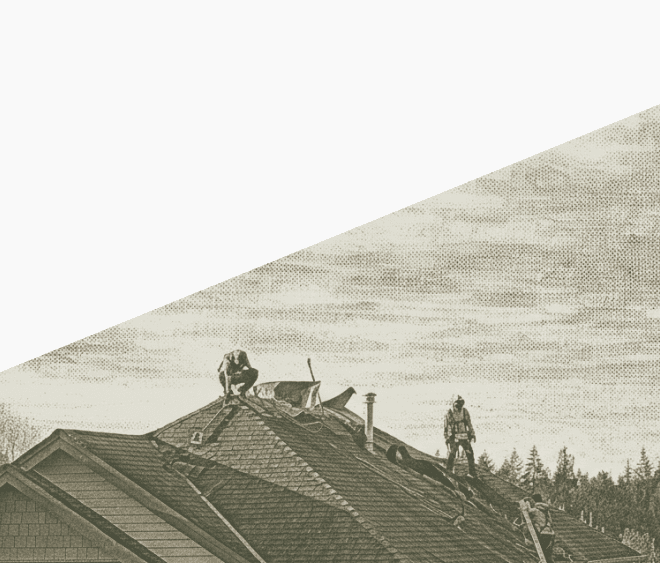
Wind Damage to Roof: Identification, Repair, and Insurance Claims
How to identify wind damage on a roof, understand the repair and replacement process, and navigate insurance claims for wind-damaged roofing systems.
How to identify
- Shingles lifted, curled, or creased along their edges from sustained uplift pressure
- Missing shingles or shingle tabs torn away from the roof surface, especially along ridges and eaves
- Exposed underlayment or roof deck where shingles have been completely removed by wind
- Damage concentrated along roof edges, ridgelines, and corners where wind uplift is greatest
- Lifted or displaced ridge cap shingles along the peak of the roof
Documentation steps
- 1
Photograph the roof from multiple angles showing the overall pattern and location of missing or lifted shingles
- 2
Take close-up photos of each area where shingles are lifted, creased, or missing
- 3
Document exposed underlayment and any visible nail heads or deck surface beneath removed shingles
- 4
Record damage patterns along edges, ridges, and corners to demonstrate directional wind effects
- 5
Collect weather data including reported wind speeds and storm dates from the National Weather Service
- 6
Photograph ground-level debris including any shingles or components found in the yard or surrounding area
Repair process
Inspect all roof planes, paying close attention to edges, ridges, hip lines, and corners where wind loads concentrate
Determine whether damage is limited enough for targeted repair or widespread enough to warrant full replacement
Remove lifted or creased shingles that have lost their seal integrity since they will not reseal reliably
Replace missing shingles with matching material, weaving them into existing courses
Re-secure or replace ridge cap, starter strip, and drip edge that were displaced by wind
Inspect and replace any underlayment that was exposed to weather after shingle displacement
Insurance tips
Wind is a named peril covered under virtually all homeowner insurance policies
Document the storm date and correlate with National Weather Service data for reported wind speeds
Ensure the adjuster inspects all roof planes since wind damage often concentrates on the windward side and ridge
Shingles that are lifted and creased are functionally damaged even if still physically present on the roof
If the initial estimate only covers missing shingles, supplement for any shingles with broken seals or crease marks
Understand that some policies have separate wind or hurricane deductibles that differ from the standard deductible
How Wind Damages a Roof
Wind damages a roof through uplift pressure. As wind flows over and around a structure, it creates areas of negative pressure (suction) on the roof surface. This uplift force is strongest along edges, ridgelines, hip lines, and corners. Shingles in these areas experience the greatest stress and are the first to fail. Wind does not need to be tornado-strength to cause damage. Sustained winds or gusts in the range of 45 to 60 mph can begin to compromise standard asphalt shingle installations, particularly on older roofs or installations with inadequate nailing.
When the uplift force exceeds the holding power of the shingle's nail attachment and adhesive seal strip, the shingle lifts. If the wind continues, the shingle may crease, tear, or blow off entirely. Even shingles that are not removed can be permanently damaged if the seal strip bond is broken, because they will not reseal and will lift again in future wind events.
Identifying Wind Damage on a Roof
Wind damage follows a distinct pattern that differs from hail or wear-related deterioration. Damage concentrates along edges, ridges, and corners rather than being randomly distributed across the roof. Missing shingles, lifted tabs, and creased shingles are the primary indicators. Inspectors should also look for displaced ridge cap, lifted starter strip along the eaves, and bent or detached drip edge. Underlayment exposed by missing shingles may show signs of weather exposure if the damage occurred days or weeks before inspection.
On the ground, look for shingle debris in the yard, driveway, or caught in landscaping. Dented or displaced gutters and downspouts can indicate wind-driven debris impacts. Damaged soffit panels and displaced fascia boards along the roofline are additional indicators of wind event severity.
The Insurance Claim Process for Wind Damage
Filing a wind damage claim starts with contacting your insurance carrier and reporting the date of the storm. The carrier assigns an adjuster who inspects the roof and writes a scope of loss. It is important that the adjuster inspects all roof planes, not just the most obviously damaged areas, because wind uplift patterns can affect multiple sides of the roof. Having your contractor present during the adjuster inspection ensures that all damage is identified and discussed.
Wind damage claims are sometimes underscoped because adjusters only count missing shingles and overlook shingles with broken seals or crease marks. A shingle that has been lifted and creased is no longer performing as designed and should be included in the scope. If the initial estimate does not account for all damaged shingles, a supplement with close-up photos of creased and unsealed shingles is the appropriate response.
Why Proper Scoping Matters
An incomplete wind damage estimate leaves compromised shingles on the roof where they will continue to fail in future storms. Every lifted, creased, or unsealed shingle should be documented and included in the Xactimate estimate. The scope should also cover ridge cap, starter strip, drip edge, underlayment repair, and any flashing that was disturbed by the wind event. Accurate scoping at the outset reduces the need for multiple supplements and ensures the roof is fully restored to its pre-storm condition.
Frequently asked questions
Wind damage on a roof typically shows as missing shingles, lifted or curled shingle edges, creased shingle tabs, and exposed underlayment or roof deck. The damage is usually concentrated along roof edges, ridgelines, and corners where wind uplift pressure is highest. Ground-level evidence includes shingle debris in the yard or surrounding area. A professional roof inspection is the most reliable way to assess the full extent of wind damage since some indicators are not visible from the ground.
Yes. Wind can lift and crease shingles without removing them from the roof. When a shingle is lifted by wind, the adhesive seal strip along its bottom edge breaks. Even if the shingle settles back into position, that seal is permanently compromised. The shingle will continue to lift in future wind events and is vulnerable to water intrusion at the broken seal line. These creased or unsealed shingles are considered wind-damaged and should be included in the repair scope.
Yes. Wind is a covered peril under standard homeowner insurance policies. Coverage applies to the cost of repairing or replacing the wind-damaged roofing materials minus your deductible. Some policies in coastal or high-wind regions have separate wind or hurricane deductibles that are higher than the standard deductible. Review your policy declarations page to understand your specific deductible and coverage terms.
Convert your damage estimate to ESX
Upload a PDF estimate. CapOut processes it and sends it directly to your Xactimate account.
Get started free
 No credit card required