Duty to Mitigate
The policyholder's contractual obligation to take reasonable steps after a loss to prevent further damage. Nearly every property insurance policy requires mitigation, and failure to mitigate can reduce or void coverage for preventable additional damage.
The duty to mitigate is the policyholder's obligation to take reasonable steps after a loss to prevent further damage. It is a condition of nearly every property insurance policy, and failing to meet it can reduce or eliminate coverage for damage that could have been prevented.
What Counts as Reasonable
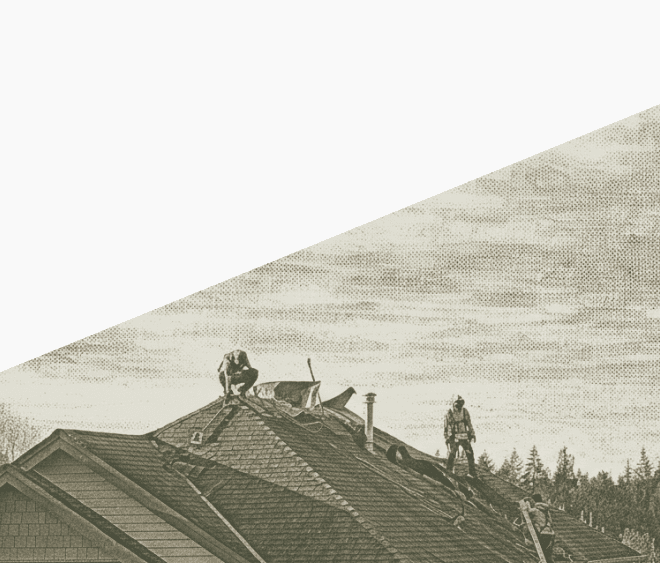
Reasonable mitigation matches the circumstances. A homeowner with a roof hole is expected to tarp it or arrange for tarping. A policyholder with a burst pipe is expected to shut off the water and extract standing water. Nobody is expected to make permanent repairs or take on risk beyond their capability. Calling a mitigation contractor is almost always a reasonable response.
Documentation of Mitigation
Carriers reimburse reasonable mitigation expenses but require documentation. Keep photos of the loss and the mitigation work, receipts from any vendors, and contemporaneous notes of what was done and when. Professional mitigation contractors generate this documentation automatically as part of their work, which is one reason most carriers prefer professional mitigation to DIY efforts on substantial losses.
The Consequence of Failure
When a policyholder does not mitigate and damage gets worse, carriers generally cover the initial loss but dispute the additional damage caused by the inaction. A roof hole that lets rainwater ruin ceilings and floors for weeks becomes two separate claim questions: the original wind damage (covered) and the water damage from failure to mitigate (often disputed or denied). Documenting mitigation efforts protects coverage for the entire loss.
Frequently asked questions
Taking reasonable steps to stop the initial damage from getting worse. For a roof hole, that means tarping. For a pipe leak, that means shutting off the water and extracting what was released. The standard is reasonableness — the insured does not have to take heroic or uneconomical measures, just reasonable ones.
Yes. Expenses incurred fulfilling the duty to mitigate are typically covered under the policy, often as part of the loss payment. Keep receipts and documentation. Emergency tarping, board-up, water extraction, and temporary repairs are standard mitigation line items in an insurance claim.
Call a professional mitigation contractor. The duty is to take reasonable steps, which for most property owners means hiring a qualified vendor for emergency work. Trying to tarp a steep roof in a storm is not reasonable; calling a mitigation contractor is.
 No credit card required