Mitigation
The policyholder's duty to take reasonable steps to prevent further damage after a loss. Mitigation expenses are typically covered by the insurance policy, and failure to mitigate can reduce or void coverage.
Mitigation is the policyholder's contractual duty to take reasonable steps to limit additional damage after a loss. It is one of the core conditions of every property insurance policy.
The Duty to Mitigate
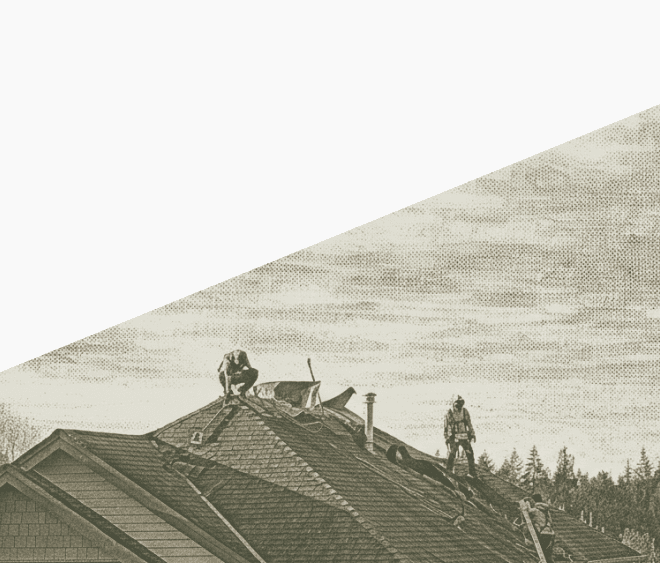
Every property policy requires the insured to act reasonably to protect the property after damage occurs. That means tarping roof holes, extracting standing water, boarding up broken windows, shutting off water supply to a failed fixture, and generally preventing the initial damage from cascading. The duty runs from the moment the loss is discovered until the carrier takes over the claim or repairs begin.
What Mitigation Is Not
Mitigation is not full repair. The insured is not required to complete permanent restoration before the adjuster inspects. Mitigation is the emergency response — the first 24 to 72 hours of stopping further damage. Mitigation vendors typically work from a separate scope, with their own documentation (moisture readings, drying logs, equipment inventories), billed as a separate line in the overall claim.
Why Mitigation Affects Coverage
When an insured fails to mitigate, subsequent damage that could have been prevented becomes disputable. Carriers may cover the original loss but deny the additional damage that came from inaction. That is why professional mitigation contractors document everything they do: the readings, the equipment placement, the monitoring schedule, and the handoff to reconstruction. Clean mitigation documentation protects the insured's coverage for the entire claim.
Frequently asked questions
Reasonable mitigation includes emergency tarping after roof damage, water extraction after pipe breaks, board-up after fire or storm damage, and shutting off the source of damage. It does not include full repairs or renovations, which are handled as part of the main claim.
Yes, in most policies. Mitigation expenses are covered as part of the loss because the policy requires the insured to mitigate. The cost of tarping, extraction, temporary repairs, and emergency services is typically billed into the claim, often as a separate line from the final repair scope.
Failure to mitigate can reduce or eliminate coverage for damage that could have been prevented. If a roof hole is not tarped and rainwater continues to damage the interior for weeks, the carrier may cover the original hole but deny the subsequent water damage as a mitigation failure.
 No credit card required