Temporary Repairs
Short-term repairs made after a loss to prevent further damage while permanent repairs are being planned, priced, or performed. Covered under the duty to mitigate and typically billed as mitigation work separate from the final repair scope.
Temporary repairs are short-term interventions made after a loss to stabilize the property and prevent further damage while permanent repairs are being planned or performed. They are covered under the duty to mitigate and are a standard category of mitigation work.
Examples of Temporary Repairs
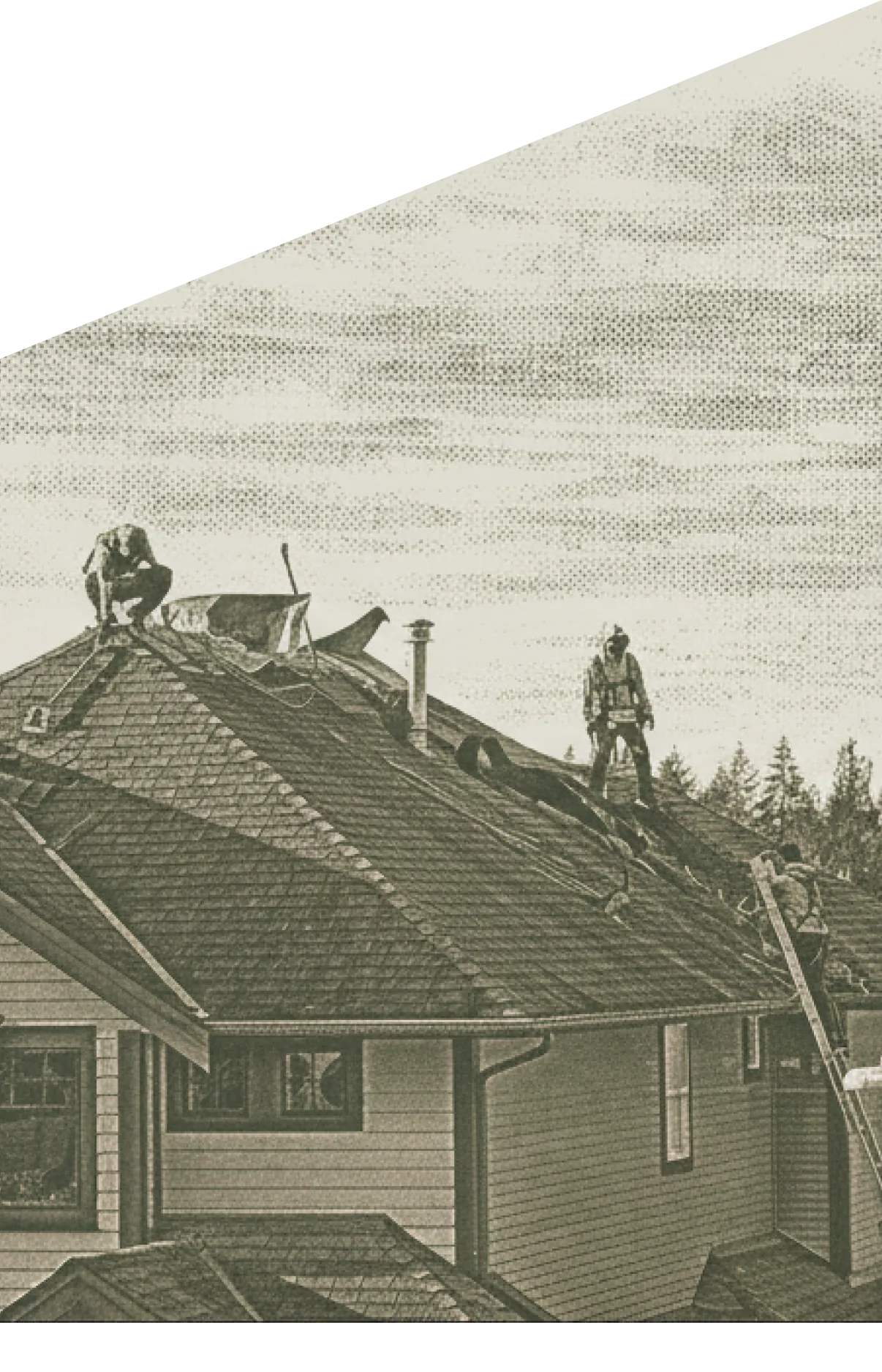
Tarping a damaged roof. Boarding up broken windows and doors. Capping a burst pipe. Shutting off electrical power to a damaged circuit. Bracing a compromised structural element to prevent collapse. Installing a temporary ramp for access. Each of these addresses an immediate problem without being the final fix.
Why They Are Separate from Repair
Temporary repairs buy time. Permanent repairs happen later, through the main repair scope, once the full extent of damage is understood and priced. Mixing the two confuses the documentation and the billing. Separating them — mitigation work on one track, permanent repair on another — is the professional convention and keeps the claim clean.
Coverage and Documentation
Temporary repair costs are covered under the duty to mitigate in nearly every property policy. Receipts, photographs, and contractor invoices support the claim. Professional mitigation contractors document every step automatically. DIY emergency work by the policyholder should be photographed and receipted similarly. Coverage flows when the documentation shows reasonable response to a genuine need.
Frequently asked questions
Tarping, board-up, pipe capping, electrical shutoff, bracing compromised structural elements, and similar emergency interventions. The goal is to stabilize the property and prevent further damage until permanent repairs happen. Full reconstruction is not temporary — it is permanent repair, handled through the main repair scope.
Yes, typically. Nearly every property policy covers reasonable expenses incurred to prevent further damage under the duty to mitigate. Keep receipts and documentation. Professional mitigation contractors generate this documentation as part of their standard work.
Temporary repairs are separate from the permanent repair scope. The mitigation work is billed and typically paid on its own timeline. The main repair scope addresses the underlying damage once mitigation is complete. Carriers, mitigation contractors, and repair contractors coordinate so both tracks move forward without conflict.
 No credit card required