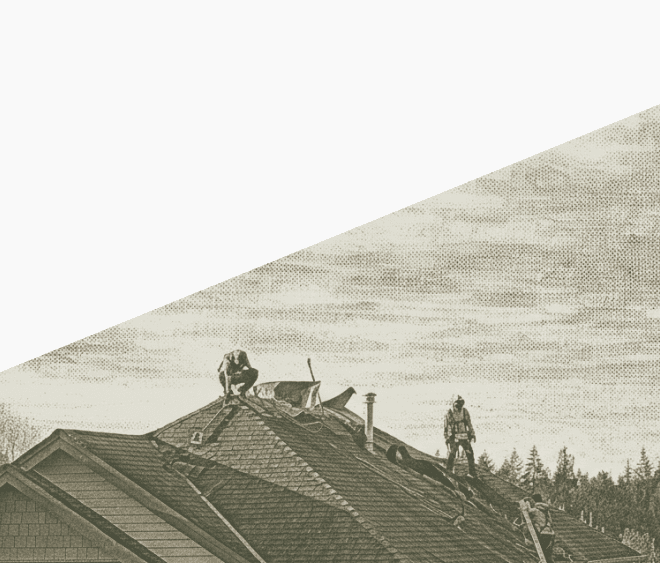
Steep-Slope Roof
A roof with a slope of 3:12 or greater. Most residential roofs are steep-slope and use shingles, tiles, or metal panels as the primary waterproofing layer.
What Is a Steep-Slope Roof
A steep-slope roof has a pitch of 3:12 or greater, meaning it rises at least 3 inches for every 12 inches of horizontal run. The vast majority of residential roofs in North America are steep-slope, typically ranging from 4:12 to 12:12.
Materials Used
Steep-slope roofs can use overlapping materials that shed water by gravity: asphalt shingles, metal panels, clay or concrete tiles, slate, and wood shakes. The steeper the pitch, the faster water runs off the surface.
Pitch Factors in Estimates
Xactimate applies pitch factors (also called steep charges) that increase labor costs as the roof slope increases. A 7:12 pitch adds roughly 10-15% to labor, while a 12:12 pitch can add 40% or more. Accurately measuring and documenting roof pitch is essential for proper estimate pricing.
Frequently asked questions
A roof with a pitch of 3:12 or greater is classified as steep-slope. Most residential roofs in the US fall in the 4:12 to 12:12 range.
Steeper roofs affect labor costs (pitch factors in Xactimate), material quantities (waste increases with pitch), and the types of damage that occur. Adjusters apply steep-charge multipliers for roofs above 7:12.
 No credit card required