Storm Chasing
The practice of roofing contractors traveling to areas hit by severe weather to solicit homeowners for insurance restoration work. A controversial industry practice that ranges from legitimate storm response to predatory door-knocking.
What Is Storm Chasing
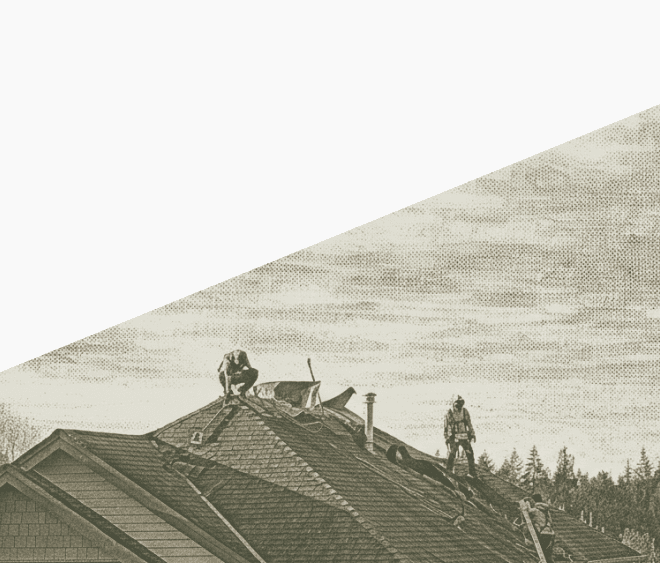
Storm chasing in the roofing industry refers to the practice of contractors who follow severe weather events to affected areas, soliciting homeowners door-to-door for insurance-funded roof repairs and replacements, and the practice spans a spectrum from legitimate disaster response to predatory fraud. After a major hail or wind event, storm-affected neighborhoods can see dozens of out-of-state roofing trucks within days, each with crews knocking on doors and offering free inspections.
Legitimate vs. Predatory Storm Chasers
Legitimate storm response contractors are licensed in the state, carry proper insurance and bonding, use their real business identity, and stand behind their work with manufacturer-backed warranties. Predatory storm chasers operate under temporary or fictitious business names, lack proper licensing and insurance, pressure homeowners into signing contracts on the first visit, and often perform substandard work before leaving the area. The key differentiators are licensing, insurance, local references, and willingness to wait for the homeowner to make an informed decision.
Impact on the Industry
Storm chasing has led to increased regulation in many states, including required waiting periods before signing contracts, mandatory contractor licensing for insurance restoration work, and solicitation permit requirements. For legitimate local contractors, storm chasers create competition that drives down margins and increases carrier scrutiny. For homeowners, the risk is ending up with a contractor who disappears when warranty issues arise or who inflates claims in ways that create legal liability for the policyholder.
Frequently asked questions
Storm chasing is when roofing contractors follow severe weather events to the affected area and go door-to-door soliciting homeowners for insurance claim work. Some storm chasers are licensed, insured, and provide legitimate restoration services. Others are unlicensed, uninsured, and disappear after collecting payment.
Storm chasing itself is legal in most states, but many municipalities have enacted solicitation ordinances requiring permits for door-to-door sales. Some states have also passed anti-storm-chasing laws that prohibit contractors from soliciting within a certain period after a declared disaster. Contractors must comply with local licensing and solicitation laws.
 No credit card required