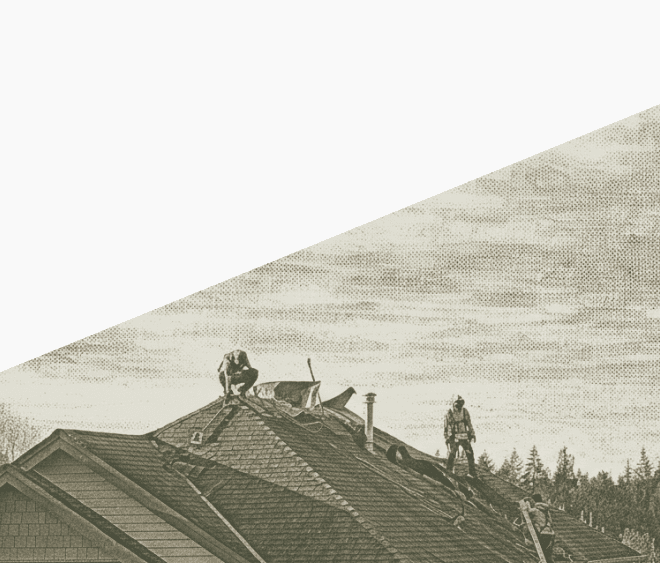
Metal Roof Over Shingles
An examination of whether metal roofing can be installed over existing asphalt shingles, including when it is allowed, structural considerations, code requirements, and the advantages and drawbacks of this approach.
Specifications
| Maximum Existing Layers | Most codes allow metal over one layer of existing shingles only |
| Furring Strips | 1x4 or 2x4 wood strips installed over shingles to create an air gap and fastening surface |
| Added Weight | Metal panels add 50 to 150 lbs per square, well within most framing capacity |
| Code Reference | IRC Section R907.3 governs re-roofing and overlay conditions |
Common issues
- Trapped moisture between the metal and old shingles causing deck rot if no ventilation channel is provided
- Uneven substrate from curled or buckled shingles telegraphing through the metal panels
- Local code or manufacturer warranty voiding the installation if done without furring strips or underlayment
- Difficulty diagnosing future leaks because the old shingle layer is hidden
Insurance relevance
A metal-over-shingle installation affects how adjusters scope damage after a storm. If the metal roof is damaged, the adjuster must determine whether the hidden shingle layer and decking were also compromised. Some insurers adjust replacement cost calculations differently for overlay systems. Contractors should document the layered assembly in Xactimate, including the tearoff scope if both layers need removal, to avoid under-scoping the claim.
When Metal Over Shingles Is Allowed
Most building codes, including the International Residential Code (IRC) Section R907.3, permit a new roof covering to be installed over one existing layer of asphalt shingles. Metal roofing is lightweight (50 to 150 pounds per square depending on the panel type), so the added structural load is rarely a concern. The existing shingle layer must be in reasonably flat condition with no more than one layer already in place. Two existing layers require a full tearoff before any new material is installed. Some local jurisdictions have stricter requirements, so the local building department should be consulted before proceeding with an overlay installation.
Installation Method
The standard approach for installing metal over shingles uses furring strips (also called purlins or battens). These are 1x4 or 2x4 wood strips fastened through the shingles into the roof deck framing, spaced to match the metal panel fastening requirements, typically 24 inches on center. The furring strips create a level plane that compensates for irregularities in the old shingle surface and establishes an air channel between the old and new roofing. This air gap is critical because it allows moisture vapor to ventilate rather than becoming trapped against the deck. A synthetic underlayment is typically installed over the furring strips before the metal panels. Some systems use hat channel (metal furring) instead of wood for added moisture resistance and straighter lines.
Advantages of the Overlay Approach
The primary advantage is cost savings. Eliminating the tearoff removes the labor of stripping the old roof and the expense of hauling and disposing of the shingle waste. Tearoff and disposal on a typical residential roof is a significant line item. The overlay also adds a second moisture barrier (the old shingles), which provides temporary redundancy during the installation process. The project generates less waste, which is an environmental benefit. Installation can be faster because the crew spends no time on demolition.
Risks and Considerations
The main risk is hidden damage. Installing over old shingles means the roof deck cannot be inspected for rot, soft spots, or prior water damage. Any existing deck problems will continue to deteriorate under the new metal surface. Trapped moisture is another concern. If the air gap between the shingle layer and the metal panels is insufficient or poorly ventilated, condensation can form on the underside of the metal and saturate the old shingles and decking. Future leak diagnosis becomes more difficult because water entering through a metal panel fastener or seam may travel along the old shingle surface before reaching the deck, making the source hard to pinpoint. For insurance purposes, the layered assembly must be documented so future claims accurately reflect the tearoff scope if both layers need replacement.
Frequently asked questions
In many cases, yes. Most building codes allow a new metal roof to be installed over one existing layer of asphalt shingles, provided the structure can support the combined weight and the existing shingles are reasonably flat. Two existing layers of shingles must be torn off before any overlay. The metal panels are typically installed over furring strips or purlins laid on top of the shingles, creating an air gap for ventilation and a level fastening surface.
Furring strips are strongly recommended and required by many metal panel manufacturers for warranty coverage. They serve three purposes: providing a flat and consistent fastening surface, creating an air channel between the shingles and the metal that allows moisture to escape, and preventing the metal panels from conforming to irregularities in the old shingle surface. Without furring strips, trapped moisture can accelerate deck rot and the finished appearance may show waviness.
Yes. Skipping the tearoff saves the labor cost of removing the old shingles and the disposal fees for the debris. On a typical residential roof, tearoff and disposal can represent a meaningful portion of the total project cost. However, this savings comes with tradeoffs: the inability to inspect the decking for rot, the potential for trapped moisture, and the possibility that the next roof replacement will require tearing off both layers.
Convert your PDF to ESX
Upload a PDF estimate. CapOut processes it and sends it directly to your Xactimate account.
Get started free
 No credit card required