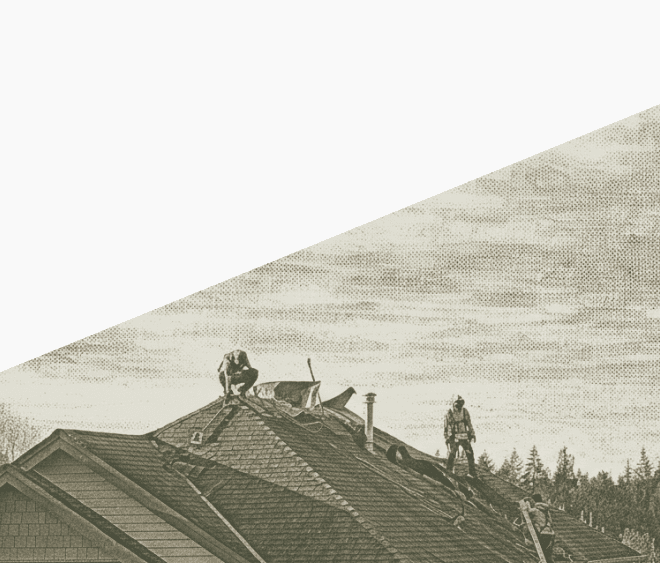
Roof Shingles
The primary weather-facing covering on most residential roofs in North America. Shingles are available in asphalt, metal, composite, rubber, and other materials, each with distinct performance characteristics, lifespans, and insurance implications.
Specifications
| Most Common Material | Asphalt (fiberglass-mat base with ceramic-coated granules) |
| Typical Weight (Asphalt) | 200 to 350 lbs per square (100 sq ft) depending on type |
| Standard Warranty Range | 25 to 50 years (manufacturer limited warranty) |
| Wind Rating Range | 60 mph (basic 3-tab) up to 130+ mph (premium architectural) |
Common issues
- Granule loss from hail, foot traffic, or age, exposing the asphalt mat to UV degradation
- Wind uplift causing tab lifting, creasing, or blow-offs, especially on improperly nailed shingles
- Blistering from moisture trapped in the asphalt mat during manufacturing or from poor ventilation
- Algae streaking (Gloeocapsa magma) in humid climates causing dark stains
Insurance relevance
Shingles are the most frequently claimed roofing component in residential insurance. Hail damage, wind damage, and falling debris are the primary covered perils. The shingle type, age, and condition at the time of loss directly affect whether a claim results in full replacement or partial repair. Adjusters evaluate granule loss patterns, crease marks, tab displacement, and mat exposure to distinguish storm damage from normal wear. Xactimate pricing varies significantly by shingle type and manufacturer line.
What Are Roof Shingles
Roof shingles are overlapping flat pieces of material installed in courses from the eave to the ridge to shed water and protect the underlying roof deck. In North America, asphalt shingles dominate the residential market, covering roughly 75 to 80 percent of homes. Asphalt shingles use a fiberglass mat base coated with asphalt and surfaced with ceramic-coated granules that provide UV protection, fire resistance, and color. Other shingle materials include metal (stamped steel or aluminum panels that mimic traditional shingle shapes), composite (engineered polymers designed to replicate slate or wood), and rubber (made from recycled tires or EPDM). Each material offers different performance, weight, and cost profiles, and each has distinct failure modes that matter for insurance claims and Xactimate estimates.
How Roof Shingles Are Installed
Shingle installation follows a specific layering sequence. The roof deck is covered with underlayment (synthetic felt or self-adhering membrane at vulnerable areas). Drip edge is installed along the eaves and rakes. A starter strip course is laid along the eave with the adhesive strip positioned to seal the first row of shingles. Field shingles are then installed in staggered courses from the eave upward, with each course overlapping the one below it. Nailing patterns vary by manufacturer but typically require four to six nails per shingle in a specific nailing zone. Hip and ridge cap shingles finish the peaks. Proper nailing is the single most important installation variable for wind resistance. High-nailed shingles (nails placed above the manufacturer's nailing line) are significantly more vulnerable to wind blow-off.
Common Shingle Problems
The most visible shingle problem is granule loss. Hail impacts knock granules off the mat surface, and normal weathering causes gradual granule erosion over time. Once the mat is exposed, UV light accelerates asphalt degradation and the shingle becomes brittle. Wind damage ranges from minor tab lifting to full shingle blow-off, depending on wind speed and nailing quality. Blistering occurs when moisture trapped in the asphalt mat expands during heat cycles, creating bubble-like raised spots. In humid climates, algae (Gloeocapsa magma) causes dark streaks that are cosmetic but can affect property value. Thermal cracking appears as splits in older shingles that have lost flexibility.
Roof Shingles and Insurance Claims
Shingle damage is the most common residential roofing insurance claim. Adjusters differentiate storm damage from wear and tear by examining damage patterns. Hail damage produces random impact marks with granule displacement and sometimes mat fractures. Wind damage follows directional patterns, with the most damage on the windward slopes and at edges, ridges, and hips. Proper documentation includes close-up photos of individual damaged shingles showing the damage mechanism, wide shots showing the pattern across the roof, and measurements of the affected area. Xactimate line items for shingles are priced per square (100 square feet) and vary by shingle type, weight class, and manufacturer product line. Matching existing undamaged shingles in color and profile is a common supplement item when the original product has been discontinued.
Frequently asked questions
The most common types are asphalt architectural shingles, asphalt 3-tab shingles, metal shingles, composite (synthetic) shingles, and rubber shingles. Asphalt shingles account for roughly 75 to 80 percent of all residential roofing in the United States, with architectural shingles being the dominant product in new construction and re-roofing.
Lifespan varies by type. Basic 3-tab asphalt shingles typically last 15 to 25 years. Architectural asphalt shingles last 25 to 30 years in practice, though manufacturer warranties may list longer periods. Metal shingles can last 40 to 70 years. Composite and rubber shingles fall in the 30 to 50 year range depending on the manufacturer and material composition. Climate, ventilation, and installation quality all affect actual service life.
Roof shingle damage from covered perils such as wind, hail, fire, or falling objects is generally covered. Shingles that fail from age, poor ventilation, or deferred maintenance are classified as wear and tear and excluded. Many policies now include roof age schedules that reduce coverage or switch to actual cash value after the roof reaches a certain age, typically 15 to 20 years.
Convert your PDF to ESX
Upload a PDF estimate. CapOut processes it and sends it directly to your Xactimate account.
Get started free
 No credit card required