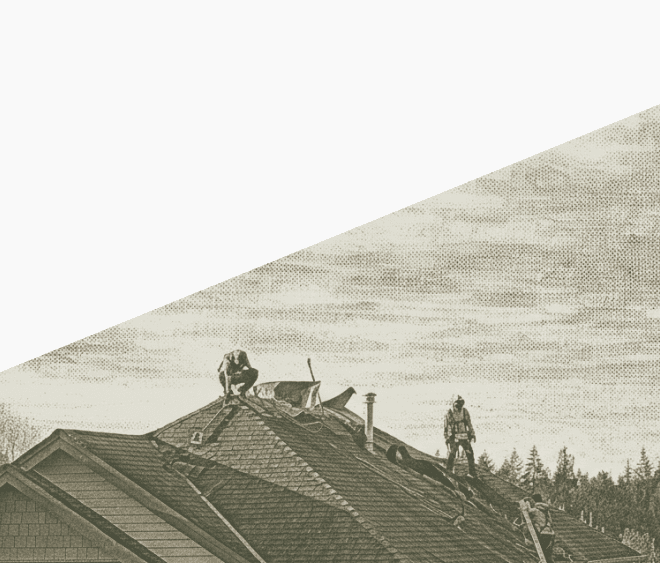
Lean-to Metal Roof Flashing
Flashing installed where a lean-to (shed-style) metal roof attaches to an existing building wall, managing the critical wall-to-roof transition on a single-slope structure.
Specifications
| Configuration | Headwall transition at the top, eave trim at the bottom |
| Wall Flashing | Endwall trim with minimum 4-inch wall leg behind the siding |
| Sealant | Butyl tape at panel ribs, polyurethane at wall reglets |
| Closure Strips | Required at every panel rib where trim meets the panel profile |
Common issues
- Wall flashing not extending high enough behind the siding, especially on windward exposures
- Closure strips missing at the panel rib gaps along the wall trim
- No gap between siding and flashing, trapping moisture in the wall assembly
- Sealant joint at the wall failing from differential movement between the building and the lean-to
Insurance relevance
Lean-to roof-to-wall junctions are high-risk leak points because the entire roof drains toward the wall on one side. Wind-driven rain pushes water directly against the wall flashing on the windward side of the structure. Claims for lean-to roof flashing failures must distinguish between storm-driven water entry through adequate flashing (covered) and chronic leaking from inadequate flashing height or missing closures (installation defect). Documentation should include the wall leg height, closure strip condition, and the gap between siding and flashing.
What Is Lean-to Metal Roof Flashing
A lean-to (or shed-style) roof has a single slope that typically attaches to an existing building wall at the high side and extends outward to a lower eave. The wall-to-roof junction at the high side is the most critical flashing detail on the structure because 100% of the water volume from the entire roof surface flows away from this junction, and wind-driven rain pushes directly against it. Lean-to metal roof flashing consists of an endwall (headwall) trim piece that bridges the gap between the metal panel ribs and the flat wall surface. The trim has a profiled leg that closes over the panel ribs using butyl tape or foam closure strips, and a flat leg that extends up behind the wall cladding. On masonry walls, counter flashing embedded in a mortar reglet folds down over the base trim for a two-layer seal.
The High-Side Wall Detail
The high-side wall junction is the defining flashing challenge on a lean-to roof. On the windward side of the building, rain hits the wall above the roof and runs down the wall face directly onto the flashing. The wall leg must be tall enough to prevent wind-driven rain from getting behind it. A minimum 4-inch wall leg is required, but 6 inches is recommended for lean-to applications in areas with high wind or heavy rainfall. The gap between the bottom of the siding and the top of the metal panels is essential for drainage. If siding is installed tight against the flashing, water is trapped between the two surfaces and wicks into the wall sheathing. Ice and water shield membrane on the roof deck extending at least 24 inches from the wall provides secondary protection if any water gets past the primary metal flashing.
Closure Strips and Panel Integration
Where the endwall trim meets the metal panel surface, each panel rib creates a gap between the flat trim and the raised rib. Closure strips fill these gaps. Inside closures fill the valleys between ribs, and outside closures cap the rib tops. Without closures, wind-driven rain and debris enter at every rib along the full width of the wall junction. On lean-to roofs, this is especially problematic because the wall junction runs the entire width of the structure. Foam closures must be compressed to at least 50% of their original height to create an effective seal. Over time, foam closures can degrade from UV exposure and compression set, reopening the gaps. Replacing deteriorated closures is a maintenance item that prevents leaks at the wall.
Insurance and Repair Scope
Lean-to metal roof flashing claims typically involve wind-driven rain entry at the wall junction. The adjuster must assess whether the wall leg height, closure strip condition, and siding gap are adequate for the exposure. If the flashing was properly installed and a severe storm overwhelmed it, the water damage is a covered event. If the wall leg is undersized, closures are missing, or siding is trapping moisture, the failure is a pre-existing installation deficiency. Xactimate estimates for lean-to wall flashing should include the endwall trim material and linear footage, closure strips, butyl tape, and any counter flashing at masonry walls. If water has entered the wall assembly, the estimate should also include siding removal and reinstallation, wall sheathing inspection, and any interior damage repairs as separate line items.
Frequently asked questions
The top of the lean-to roof meets the building wall in a headwall condition. Endwall (headwall) trim is installed with one leg conforming to the metal panel profile (using closure strips at each rib) and the other leg extending at least 4 inches up the wall behind the siding. A drainage gap of at least 1 inch is maintained between the bottom of the siding and the top of the metal panels. If the wall is masonry, counter flashing is embedded in a mortar joint reglet and folds down over the base trim. Ice and water shield membrane on the roof deck at the wall provides secondary protection.
Lean-to roofs are particularly prone to wall leaks because the single slope directs all water toward one side, and on the opposite side, the wall-to-roof junction faces the prevailing weather with no protection from an overhanging eave. Wind pushes rain directly against the wall-to-roof flashing. If the wall leg is too short, closures are missing at the panel ribs, or siding is tight against the flashing, water enters the wall assembly. The structural independence of the lean-to from the main building also means differential movement stresses the flashing joint over time.
On longer lean-to roofs where the wall-to-roof junction accumulates significant water and debris, a diverter or small cricket can be beneficial. However, most lean-to roofs have a simple straight headwall condition that is adequately handled by properly sized endwall trim with closure strips. If the lean-to spans more than 20 feet along the wall, the center of the junction may accumulate debris, and a low diverter can help channel water to the sides. The decision depends on the roof length, slope, and local rainfall intensity.
Convert your PDF to ESX
Upload a PDF estimate. CapOut processes it and sends it directly to your Xactimate account.
Get started free
 No credit card required