Fire Damage Restoration Process: Step by Step
Fire damage restoration follows a structured sequence that begins with emergency stabilization and ends with the property restored to its pre-loss condition. The process involves multiple trades and specialties: emergency services, demolition crews, smoke and soot cleaning technicians, structural contractors, and often content restoration specialists. Insurance claims for fire losses are typically the largest and most complex residential claims, involving dwelling coverage, contents coverage, additional living expenses, and sometimes code upgrade coverage. Understanding each step of the process helps property owners set realistic expectations and helps contractors scope the work accurately.
Step 1: Emergency Response and Board-Up
The first phase begins as soon as the fire department clears the scene. The immediate priorities are preventing further damage from weather exposure and securing the property from unauthorized entry.
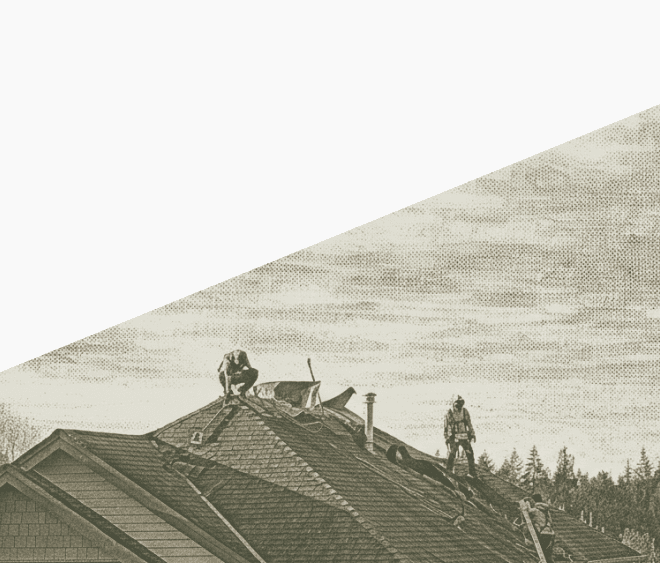
Board-up services cover broken windows, damaged doors, and any openings in the roof or walls with plywood. Emergency tarping covers roof damage to prevent rain from entering the structure. These are time-sensitive actions because water damage from rain entering through fire-damaged openings can cause as much additional damage as the fire itself.
Water extraction is usually needed at this stage too, since firefighting efforts saturate the structure. Standing water must be removed promptly to prevent mold growth, which becomes a separate and complicating factor in the claim.
Emergency services are covered under the homeowner's insurance policy as mitigation expenses. The policyholder has a duty to mitigate further damage, and carriers expect these emergency measures to be taken immediately.
Step 2: Damage Assessment and Insurance Scope
Once the property is secured, a detailed damage assessment begins. This involves documenting every affected area: structural elements, mechanical systems (HVAC, electrical, plumbing), finishes (drywall, flooring, cabinets), and contents (furniture, clothing, electronics, personal items).
The insurance adjuster will conduct their own assessment and produce an estimate, typically in Xactimate. Fire loss estimates are among the most complex in the industry because they involve multiple trade categories: demolition, structural framing, drywall, painting, flooring, electrical, plumbing, HVAC, smoke cleaning, deodorization, and content restoration.
Restoration contractors should conduct their own independent assessment simultaneously. Comparing the contractor's scope to the adjuster's estimate identifies gaps early. Getting the adjuster's PDF estimate into Xactimate format quickly allows a line-by-line comparison. CapOut handles that conversion in minutes, not hours, so you can start reviewing the scope immediately rather than spending hours re-keying hundreds of line items from a fire loss estimate.
Step 3: Smoke and Soot Removal
Smoke and soot cleaning is one of the most labor-intensive phases. Soot is acidic and will permanently stain and corrode surfaces if not removed promptly. Different fire types produce different soot:
Protein soot (from kitchen fires) is nearly invisible but produces a strong, persistent odor. It discolors paint and varnish over time. Synthetic soot (from burning plastics, electronics, and synthetic fabrics) is thick, black, and smears easily. It contains toxic compounds and requires chemical cleaning agents. Natural soot (from wood fires) is powdery and lighter in color.
Cleaning methods vary by surface type. Hard surfaces are wiped with chemical sponges and cleaning solutions. Soft surfaces (upholstery, carpet, clothing) may require professional content cleaning or replacement. HVAC ductwork must be professionally cleaned or replaced because smoke circulates through the system and recontaminates the space if the ducts are not addressed.
Step 4: Demolition and Structural Repair
After smoke cleaning, damaged materials that cannot be restored are demolished and removed. This includes charred framing, fire-damaged drywall, melted wiring, destroyed flooring, and any material that has absorbed smoke to the point where cleaning is not feasible.
Structural repairs replace damaged framing members, roof components, and load-bearing elements. In many jurisdictions, fire damage that exceeds a certain percentage of the structure's value triggers code upgrade requirements, meaning the rebuilt sections must meet current building code rather than the code in effect when the home was originally built. Ordinance or law coverage in the insurance policy covers these additional costs, but the coverage has limits and must be specifically included in the policy.
Electrical and plumbing systems in fire-affected areas are typically replaced entirely. Even if wiring appears undamaged, heat exposure can degrade insulation on conductors, creating a future fire risk. Most local building codes require full replacement of electrical systems in fire-damaged areas.
Step 5: Deodorization and Final Restoration
Deodorization is performed after cleaning and demolition but before reconstruction. The goal is to eliminate smoke odor from the structure before new materials are installed. Common deodorization methods include ozone treatment, hydroxyl generators, and thermal fogging.
Ozone treatment is highly effective but requires the space to be unoccupied because ozone is a respiratory irritant at treatment concentrations. Hydroxyl generators can run while workers are present and are effective for mild to moderate odor. Thermal fogging uses a heated solvent that penetrates porous materials and neutralizes odor molecules. In severe fire losses, multiple methods may be used in combination over several days.
Once deodorization is complete and verified, the reconstruction phase begins. This is standard construction work: framing, insulation, drywall, painting, flooring, trim, cabinets, fixtures, and appliances. The goal is to restore the property to its pre-loss condition, or to current code if ordinance or law coverage applies.
The final step is a content restoration or replacement process for personal property, which is handled separately under the contents portion of the insurance policy.
Related Guides
About the author
Matt FrugeFounder & CEO, CapOut
Matt Fruge is the Founder and CEO of CapOut. Before CapOut he spent 15+ years running Roofmark Construction in Dallas-Fort Worth and lived the exact pain his product solves: re-keying Xactimate estimates while jobs sat waiting. U.S. Navy veteran. Based in Fort Worth, Texas.
More from MattFrequently asked questions
Timelines vary dramatically based on fire severity. A kitchen fire confined to one room may take 2 to 4 weeks for restoration. A fire that spreads through multiple rooms or involves structural damage can take 3 to 6 months or longer. The insurance claim process, permit approvals, and material availability all affect the timeline beyond the actual labor.
In most cases, no. Even a small fire produces smoke and soot that contaminate air quality throughout the structure. The restoration process involves demolition, chemical cleaning, and equipment that makes the space uninhabitable. Most homeowner policies include loss of use or additional living expenses coverage that pays for temporary housing during restoration.
Do not clean or remove anything beyond what is necessary for safety. The adjuster needs to see the damage in its original state to properly scope the claim. Premature cleanup destroys evidence and can lead to a lower settlement. Secure the property, board up openings, and cover exposed areas to prevent further damage, but leave the interior untouched until the adjuster inspects.
Continue reading
Get insurance restoration insights
Practical tips on Xactimate, supplements, and estimating workflows. No spam.
Related glossary terms
Convert your first PDF to ESX free
Upload a PDF estimate and get a production-ready ESX file in under a minute.
Get Started Free
 No credit card required