Roof Inspection for Insurance Claim: What to Expect
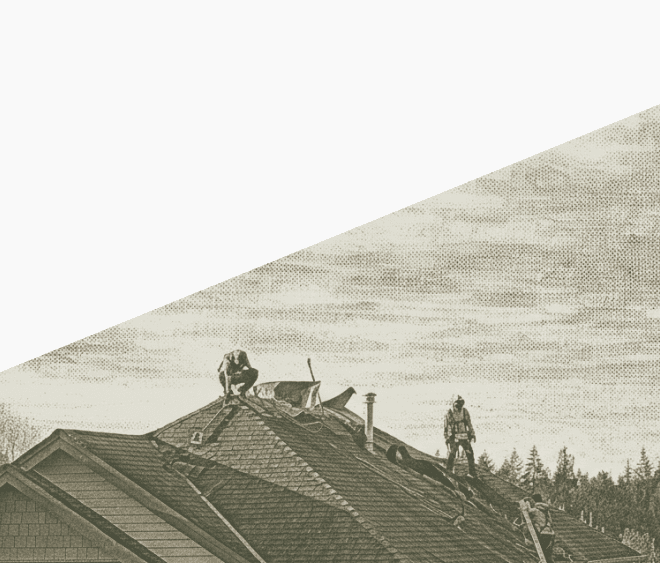
A roof inspection for an insurance claim is a formal evaluation conducted by the carrier's adjuster to determine whether storm damage exists, quantify its extent, and produce an estimate for repair or replacement. The inspection follows a structured protocol that includes ground-level observations, on-roof evaluation using test squares, documentation of soft metal damage, and assessment of interior water intrusion. How the inspection goes directly determines the outcome of your claim, so preparation matters.
Before the Inspection: How to Prepare
Preparation begins the moment you file the claim, not the day the adjuster arrives.
Document everything yourself first: Take photos of all visible damage before the inspection. This includes ground-level evidence (dented gutters, cracked siding, damaged window screens), roof-level damage if you can safely access it, and any interior damage from leaks. Having your own documentation creates a record that is independent of the adjuster's findings.
Pull weather data: Look up the storm event through the National Weather Service. Record the date, hail size (if reported), and peak wind speeds. This data supports your claim by tying damage to a specific covered event and is especially useful if the adjuster questions whether the damage is storm-related.
Clear access to the roof: Trim back any tree branches blocking roof access. Move vehicles away from the house so the adjuster can inspect gutters and fascia. Ensure there is a clear path to set a ladder.
Have your contractor present: If you have a roofing contractor who has already inspected the roof, invite them to the adjuster's inspection. A contractor experienced in insurance restoration knows what to look for and can point out damage in real time. This is not adversarial. It is standard practice in the industry.
What the Adjuster Evaluates
The adjuster follows a systematic process, typically starting from the ground and working up:
Ground-level walkthrough: The adjuster circles the property looking for collateral evidence of the storm. Dented gutters, cracked vinyl siding, damaged window screens, and marks on outdoor equipment all support the finding that hail or wind affected the property. This establishes the foundation for the roof inspection above.
Roof surface evaluation: On the roof, the adjuster evaluates shingle condition using test squares. They chalk off a 10-by-10-foot section, count individual hail strikes or wind-lifted shingles, and record the findings. They perform test squares on multiple slopes, since damage patterns vary based on wind direction during the storm.
Soft metal inspection: Every roof vent, exhaust cap, pipe collar, flashing piece, and metal ridge cap is checked for dents. Soft metal damage is the most objective evidence on a roof because metal dents are unambiguous. If the adjuster finds dented metals across the roof, it strongly supports shingle damage findings as well.
Interior inspection: If there are active leaks or water stains, the adjuster will inspect interior ceilings, walls, and attic spaces. Interior water damage can expand the claim beyond the roof itself to include drywall, insulation, and paint.
Common Issues During Inspections
Adjuster attributes damage to wear: One of the most common inspection outcomes is the adjuster attributing granule loss to normal aging rather than hail. If you disagree, point to the collateral evidence on soft metals. If gutters and vents are dented in a random pattern, the granule loss on shingles above those metals is far more likely storm-related than age-related.
Incomplete scope: Adjusters are human and can miss things, especially on complex roofs with multiple valleys, dormers, and penetrations. Items commonly missed include drip edge damage, starter strip damage, flashing at wall-to-roof transitions, and pipe collar deterioration. Your contractor's parallel inspection catches what the adjuster misses.
Desk adjuster instead of field adjuster: Some carriers send a desk adjuster who reviews satellite imagery and photos rather than physically inspecting the roof. If you receive a desk adjustment that you believe is inaccurate, you can request a field re-inspection where an adjuster physically walks the roof.
After the Inspection: Reviewing the Estimate
Within days to weeks after the inspection, the adjuster produces a scope of loss and estimate. This is sent to you (or your contractor, if you have authorized them as a representative). Review it carefully.
The estimate lists every line item the carrier is covering: materials, labor, quantities, and pricing. Common questions to ask when reviewing: Did they scope full replacement or only repair? Did they include all roof accessories (ridge cap, starter strip, drip edge, vents, pipe boots)? Is overhead and profit included? Did they account for code upgrades required by local building code?
If items are missing, the path forward is a supplement. To build an effective supplement, you need the adjuster's estimate in Xactimate format so you can add line items directly to their scope. CapOut converts the adjuster's PDF into your Xactimate account in minutes, not hours, giving you the line-item detail to identify gaps and build your supplement efficiently.
Related Guides
About the author
Matt FrugeFounder & CEO, CapOut
Matt Fruge is the Founder and CEO of CapOut. Before CapOut he spent 15+ years running Roofmark Construction in Dallas-Fort Worth and lived the exact pain his product solves: re-keying Xactimate estimates while jobs sat waiting. U.S. Navy veteran. Based in Fort Worth, Texas.
More from MattFrequently asked questions
Yes. Being present allows you to point out damage you have documented, ask questions about the adjuster's findings, and ensure nothing is missed. If you cannot be present, have a contractor or representative there on your behalf. An unattended inspection means you have no input into what the adjuster documents.
Yes, and it is recommended. A contractor experienced in insurance restoration can walk the roof with the adjuster, point out damage that may be overlooked, and take their own documentation simultaneously. This creates a parallel record and puts you in a stronger position if the initial estimate is under-scoped.
If you have documentation showing damage that the adjuster did not find, request a re-inspection with a different adjuster. You can also hire a public adjuster for an independent evaluation or invoke the appraisal clause in your policy. Do not accept a denial without reviewing your own evidence against the adjuster's report.
Continue reading
Get insurance restoration insights
Practical tips on Xactimate, supplements, and estimating workflows. No spam.
Related glossary terms
Convert your first PDF to ESX free
Upload a PDF estimate and get a production-ready ESX file in under a minute.
Get Started Free
 No credit card required